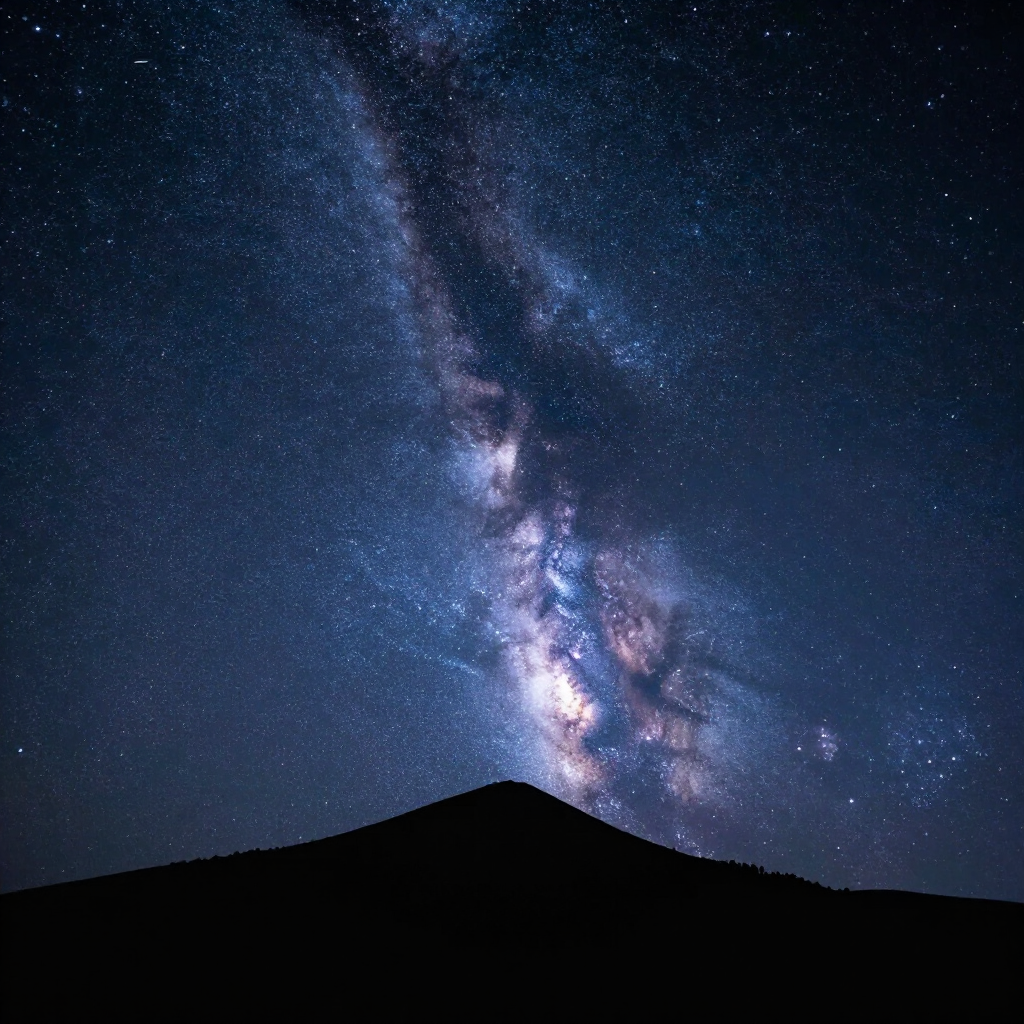
The Best Meteor Shower of the Year Returns
Every August, Earth plows through the ancient debris trail of comet 109P/Swift-Tuttle, igniting the Perseids — the most beloved meteor shower of the year. In 2026, the Perseids peak on the night of August 12 into the early hours of August 13, and conditions look exceptional.
Under a dark sky, observers can expect up to 100 meteors per hour at peak. The Perseids are famous for bright, fast fireballs that leave glowing trains across the sky, making them a highlight of the late-summer astronomical calendar.
When and Where to Look
The radiant — the point in the sky from which the meteors appear to originate — sits in the constellation Perseus, rising in the northeast after midnight. But you do not need to find Perseus: meteors will streak across the entire sky.
The best viewing window runs from roughly 2:00 AM until dawn on August 13, when Perseus climbs highest. Lie flat on your back, look about halfway up the sky, and let your eyes relax into the darkness for at least 20 minutes.
Why 2026 Is a Great Year
The Moon sets early on peak night, leaving long stretches of truly dark sky — the single most important factor for meteor watching. With minimal lunar interference, even faint meteors will be visible, dramatically increasing your count.
Perseid meteors enter the atmosphere at an astonishing 59 kilometers per second, producing vivid streaks and occasional brilliant fireballs that can outshine every star in the sky.
Photography Tips
Capture the shower with a wide-angle lens on a sturdy tripod. Use manual mode, ISO 1600-3200, the widest aperture available, and 15-20 second exposures. Set a remote interval to fire continuously and review your frames in the morning — patience rewards the prepared.
Key Takeaways
- Peak night: August 12-13, 2026, best after 2 AM until dawn
- Expected rate: up to 100 meteors per hour under dark skies
- No equipment needed — naked-eye viewing is ideal
- Early-setting Moon means excellent dark conditions
- Get far from city lights for the full experience